
Reduces winter heat loss
Up to 35% of a home’s heat can escape through uninsulated walls. Cavity insulation slows this loss, keeping indoor temperatures steadier and reducing the need for heating.
Berwick Wall Insulation
Cavity wall insulation for Berwick homes with brick veneer or double brick walls. We install insulation through small holes in the mortar, filling the cavity to cut heat loss and draughts without damaging your home.
Share your details and Expert Insulation Melbourne will contact you about Cavity Wall Insulation in Berwick.
Cavity wall insulation is installed into the gap between the inner and outer leaves of brick veneer or double brick walls. In Berwick, many homes built from the 1960s onwards use brick veneer construction, which leaves an uninsulated cavity that allows heat to escape in winter and enter in summer. Filling this cavity with insulation material reduces heat transfer, improves thermal resistance and cuts draughts coming through the walls.
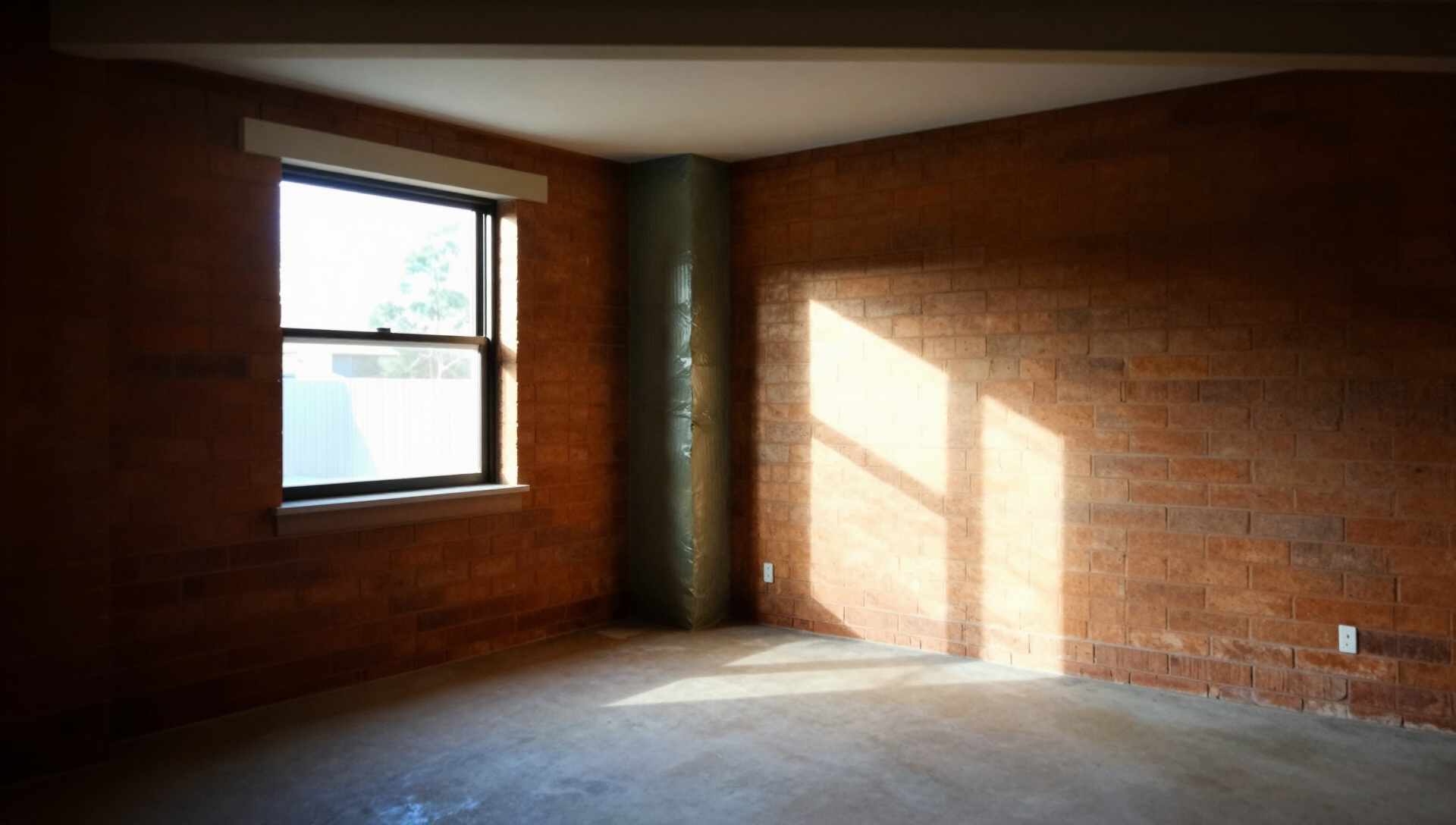
Berwick’s climate brings cold winters and hot summers, and uninsulated brick veneer walls are a major source of heat loss and gain. Cavity wall insulation addresses this by adding a thermal barrier within the wall structure, which delivers measurable improvements in comfort and energy efficiency.
Up to 35% of a home’s heat can escape through uninsulated walls. Cavity insulation slows this loss, keeping indoor temperatures steadier and reducing the need for heating.
The same cavity that lets heat out in winter lets it in during summer heatwaves. Insulation reflects and absorbs radiant heat, easing the load on air conditioning.
Gaps in brickwork and mortar allow cold air to enter in winter. Cavity insulation blocks these draughts, making your home feel warmer without turning up the heater.
With less heat escaping or entering through walls, your heating and cooling systems run less often. This lowers energy use and can reduce power bills over time.
Unlike bulk insulation added to wall cavities during renovations, cavity wall insulation is installed from the outside. There is no need to remove plaster or lose room space.
Once installed, cavity insulation remains effective for the life of the home. It does not settle or compress like some ceiling batts can over time.
We follow a careful process to ensure cavity wall insulation is installed correctly and safely in your Berwick home. Each step is designed to minimise disruption while maximising thermal performance.
We first check your wall type and condition. Cavity insulation is only suitable for certain brick veneer and double brick constructions. We also look for signs of moisture, damp or existing damage that could affect the installation.
Small holes are drilled into the mortar joints at regular intervals around the external walls. These holes are just large enough to insert the insulation material and cause minimal visual impact.
Insulation material is injected into the cavity through the holes. We use products designed for cavity applications, ensuring even coverage and avoiding gaps that would reduce effectiveness.
After the insulation is in place, the holes are sealed with matching mortar and colour-matched to your brickwork. This leaves your walls looking as they did before we started.
Berwick’s mix of established brick veneer homes and newer builds makes cavity wall insulation a practical upgrade for many properties. Older homes in particular often lack wall insulation, leading to cold walls in winter and heat radiating through in summer. With Berwick’s exposure to Melbourne’s temperature swings, filling the cavity can make a noticeable difference to indoor comfort.
Improve thermal performance in your Berwick brick veneer home with cavity wall insulation installed through small external holes.
Homeowners in Berwick often have questions about how cavity wall insulation works, whether their home is suitable and what to expect from the process. Here are answers to the most common queries.
Cavity wall insulation is a non-invasive way to improve the thermal performance of brick veneer homes in Berwick. By filling the gap between the inner and outer wall leaves with insulation material, heat transfer through the walls is significantly reduced. This is particularly valuable in Berwick, where many homes were built with brick veneer construction that leaves an uninsulated cavity.
The process involves drilling small holes in the external mortar, injecting insulation into the cavity and then sealing the holes to match the existing brickwork. This method avoids the need for internal wall linings to be removed, making it a practical option for existing homes. It also addresses draughts that can enter through gaps in the brickwork, improving overall comfort.
For Berwick homeowners, cavity wall insulation can reduce heating and cooling costs by minimising heat loss in winter and heat gain in summer. It is a long-term solution that requires no ongoing maintenance and does not impact the internal space of the home. An on-site inspection will confirm whether your wall type is suitable for this method.
If your Berwick home has brick veneer or double brick walls, cavity insulation can improve comfort and reduce energy use. Contact us to arrange an inspection and find out if your property is suitable.