
Warmer floors in winter
Insulation between the joists stops cold air rising through the floor, so timber floors feel warmer underfoot and rooms heat up faster when you turn on the heater.
Suspended Floor Specialists
Underfloor insulation stops cold air rising through timber floorboards in Berwick homes. We install batts between joists in the subfloor to cut draughts, warm your floors and lower heating costs.
Share your details and Expert Insulation Melbourne will contact you about Underfloor Insulation in Berwick.
Berwick has many older homes with suspended timber floors that sit above a crawl space. Without insulation, cold air moves up through gaps in the floorboards, making rooms feel chilly and forcing heaters to work harder. Underfloor insulation fills the space between joists with bulk batts to block draughts and add thermal resistance. It is a straightforward job when there is enough access under the house, and it makes a noticeable difference to comfort in winter.
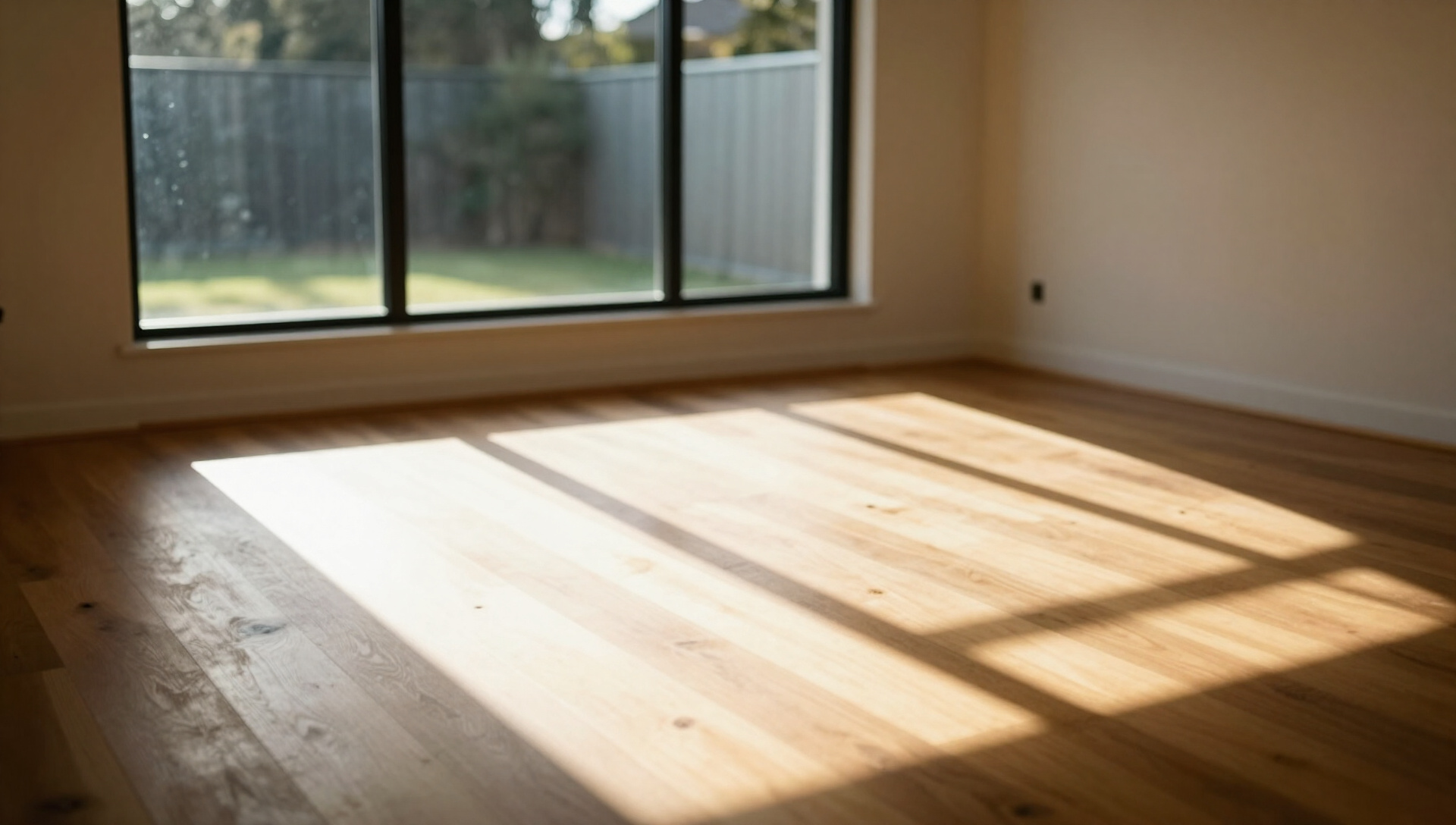
Berwick’s cooler climate means homes without underfloor insulation can feel cold and draughty, especially in living areas above suspended floors. Adding insulation under the floorboards addresses the main source of heat loss and improves comfort throughout the house.
Insulation between the joists stops cold air rising through the floor, so timber floors feel warmer underfoot and rooms heat up faster when you turn on the heater.
By cutting draughts and heat loss through the floor, your heating system runs less often, which lowers energy use and power bills over the colder months.
Sealing the subfloor with insulation also blocks dust and outside air from entering through gaps in the floorboards, improving indoor air quality.
The batts are installed from underneath, so there is no need to lift carpets, tiles or floorboards. The job is done without disrupting your home’s interior.
Quality polyester or glasswool batts hold their shape and R-value over time, providing consistent thermal resistance as long as they stay dry and undamaged.
Pairing underfloor insulation with ceiling batts creates a more complete thermal envelope, reducing heat loss from both the top and bottom of the house.
Access is the main factor for underfloor work. We need enough clearance under the house to move along the joists and fit the batts snugly between them. The process is clean and usually takes a few hours, depending on the floor area and how easy it is to get under the floor.
We start by checking the subfloor for access points, joist spacing and any obstacles like pipes or wiring. If the space is too tight or there are signs of moisture or pest damage, we advise on the best approach before proceeding.
We measure the distance between joists and cut the batts to fit snugly without compressing. The material is handled carefully to avoid itching and to keep the fibres intact for maximum thermal performance.
The batts are pushed up between the joists and held in place by friction. We ensure full coverage with no gaps, and we keep the material clear of any electrical cables or plumbing to meet safety standards.
After installation, we check for any remaining gaps around pipes or edges and seal them with appropriate tape or foam. The area under the house is left tidy, and we remove all offcuts and packaging from your property.
Berwick has a mix of older weatherboard and brick veneer homes, many with suspended timber floors that benefit from underfloor insulation. The suburb’s cooler winters mean these floors can feel particularly cold without proper insulation. Adding batts under the floorboards is a cost-effective way to improve comfort and reduce energy use in these homes.
Stop cold floors and draughts in Berwick with underfloor insulation installed between joists in the subfloor.
Homeowners in Berwick often ask about access, materials and whether underfloor insulation is worth the investment. Here are the key details to help you decide.
Underfloor insulation in Berwick targets the cold air rising through suspended timber floors, a common issue in older homes. By installing bulk batts between the floor joists from the subfloor, we block draughts and add thermal resistance to keep rooms warmer in winter. This is especially effective in Berwick, where many homes were built with uninsulated floors that allow cold air to enter through gaps in the floorboards.
The process requires enough crawl space under the house to fit the batts properly. We use polyester or glasswool materials with R-values typically between R1.5 and R2.5 for underfloor applications. These batts are cut to size and friction-fit between the joists, with care taken to avoid compressing the material or covering cables. The job is completed without lifting floor coverings, making it a practical upgrade for existing homes.
Berwick’s climate, with cold winters and moderate summers, makes underfloor insulation a smart investment. It reduces heat loss through the floor, lowers heating costs and improves comfort in living areas. Combined with ceiling insulation, it creates a more energy-efficient home that stays warmer in winter and cooler in summer.
If your Berwick home has cold floors or draughts coming up through the floorboards, underfloor insulation can make a real difference. We provide clear advice, quality materials and professional installation for suspended timber floors.